

U.S. Inflation Remains Elevated as Federal Reserve Faces Growing Pressure to Raise Interest Rates

Higher-than-expected consumer prices raise concerns about purchasing power, borrowing costs, and the Federal Reserve's next policy decision.


Inflation continues to challenge the U.S. economy as newly released data reveals that consumer prices rose more than economists anticipated in October, increasing pressure on the Federal Reserve to consider additional interest rate hikes.


According to the Bureau of Labor Statistics, the Consumer Price Index (CPI) increased 0.4% in October, following a 0.6% increase in September. The latest reading exceeded economists' expectations of 0.3%, suggesting that inflationary pressures remain persistent despite efforts to stabilize prices.


Core inflation, which excludes volatile food and energy costs, increased 0.3% during the month. Meanwhile, food prices rose 0.5%, energy costs climbed 0.7%, and shelter expenses increased 0.3%, reflecting continued financial pressure on American households.


The latest figures have intensified concerns among Federal Reserve officials that inflation is becoming more widespread throughout the economy. Rising costs across essential goods and services could complicate the central bank's efforts to bring inflation back toward its 2% annual target.


With the Federal Reserve's next policy meeting scheduled for December, financial markets are increasingly anticipating another interest rate increase. Higher rates could make mortgages, credit cards, auto loans, and business financing more expensive, potentially slowing consumer spending and economic growth.


Persistent inflation also raises questions about the long-term purchasing power of the U.S. dollar. When consumer prices continue rising, households may find that their savings and income purchase fewer goods and services over time.


For investors, these developments have renewed discussions about inflation, economic uncertainty, and portfolio diversification. Physical precious metals, including gold and silver, are frequently considered within broader diversification strategies, although their prices can fluctuate and they do not guarantee protection against inflation or market losses.


As policymakers evaluate their next steps, the latest inflation report underscores the ongoing challenge of balancing price stability with economic growth.


Sources: U.S. Bureau of Labor Statistics, Associated Press, Associated Press

This article is provided for informational and educational purposes only and should not be considered financial, investment, or tax advice.


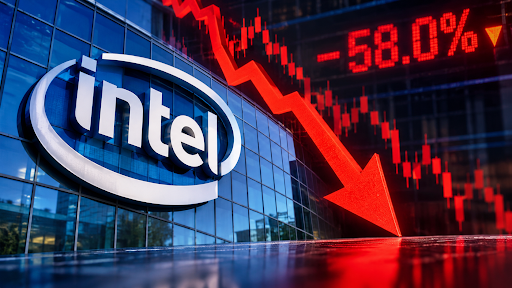
Intel logo with a red downward stock chart and 58.0% drop over a glass building backdrop
November 11, 2026
A dramatic decline in Intel shares raises fresh concerns about inflated technology valuations, AI-driven speculation, and the risks facing investors.
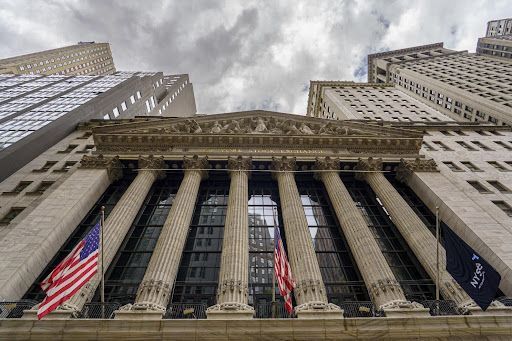
Low-angle view of a grand stone stock exchange building with American flags and a cloudy sky
November 11, 2026
A prominent Wall Street hedge fund warns that elevated stock valuations, mounting government debt, and speculative AI investments could leave financial markets vulnerable to a sharp downturn.

Oil tanker at sea beside news headline: “Oil Above $100 Fuels Economic Fears”
October 19, 2026
Disruptions in the Strait of Hormuz and uncertainty over Russian exports raise concerns about inflation and economic stability.
Intel logo with a red downward stock chart and 58.0% drop over a glass building backdrop
November 11, 2026
A dramatic decline in Intel shares raises fresh concerns about inflated technology valuations, AI-driven speculation, and the risks facing investors.
Low-angle view of a grand stone stock exchange building with American flags and a cloudy sky
November 11, 2026
A prominent Wall Street hedge fund warns that elevated stock valuations, mounting government debt, and speculative AI investments could leave financial markets vulnerable to a sharp downturn.

Oil tanker at sea beside news headline: “Oil Above $100 Fuels Economic Fears”
October 19, 2026
Disruptions in the Strait of Hormuz and uncertainty over Russian exports raise concerns about inflation and economic stability.
Intel logo with a red downward stock chart and 58.0% drop over a glass building backdrop
November 11, 2026
A dramatic decline in Intel shares raises fresh concerns about inflated technology valuations, AI-driven speculation, and the risks facing investors.
Low-angle view of a grand stone stock exchange building with American flags and a cloudy sky
November 11, 2026
A prominent Wall Street hedge fund warns that elevated stock valuations, mounting government debt, and speculative AI investments could leave financial markets vulnerable to a sharp downturn.