Disruptions in the Strait of Hormuz and uncertainty over Russian exports raise concerns about inflation and economic stability.
Global oil markets remain under significant pressure as escalating geopolitical tensions in the Middle East and ongoing conflict involving Russia threaten energy supplies and fuel economic uncertainty.
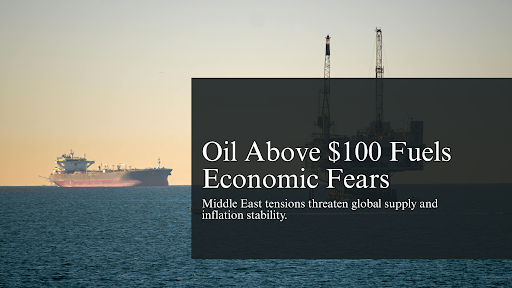
Brent crude oil recently climbed to $110 per barrel, its highest level in five months, before retreating to approximately $108 on October 19. U.S. West Texas Intermediate crude also remained elevated, trading near $100 per barrel. Despite the modest decline, prices continue to reflect concerns about global supply disruptions and geopolitical instability.
One of the most significant developments involves the Strait of Hormuz, a critical shipping route for global energy supplies. According to energy analytics firm Kpler, attacks on commercial vessels caused Gulf crude oil shipments to fall from more than 20 million barrels per day to approximately
8.5 million barrels per day over the most recent seven-day reporting period. At least 10 incidents involving commercial vessels were reported during the week, highlighting the growing risks to international energy transportation.
Meanwhile, the Trump administration announced temporary relief from certain sanctions and tariffs affecting Russian exports, potentially allowing additional fuel supplies to enter global markets. Although the decision contributed to Monday's decline in oil prices, analysts caution that easing trade restrictions may not fully offset the physical supply disruptions occurring in the Middle East.
The economic implications extend well beyond energy markets. Persistently elevated oil prices can increase transportation, manufacturing, and consumer costs, potentially adding to inflationary pressures at a time when the Federal Reserve is already navigating a challenging interest rate environment.
For Americans approaching retirement, continued energy market volatility underscores how geopolitical events can affect inflation, household purchasing power, and broader financial markets. Rising energy costs can place additional pressure on consumers and businesses, while uncertainty surrounding global conflicts may contribute to fluctuations across traditional financial assets.
As geopolitical tensions and inflation concerns persist, these developments reinforce the importance of evaluating long-term retirement strategies and maintaining a diversified portfolio. Physical gold and silver may offer an additional avenue for diversification and exposure to assets outside traditional stocks and bonds, although precious metals remain subject to market volatility and are not guaranteed to preserve purchasing power.
This article is provided for informational and educational purposes only and should not be considered financial, investment, or tax advice.
Sources:
Reuters,
Wall Street Journal