Recent disruptions affecting air travel, major banks, and technology services highlight vulnerabilities in critical systems and the importance of financial preparedness and diversification.
Nationwide FAA Shutdown Disrupts Air Travel
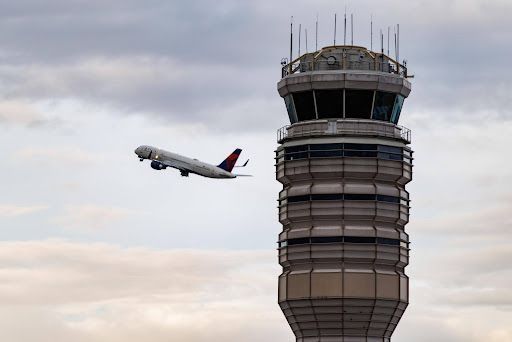
On November 13, 2026, a nationwide Federal Aviation Administration (FAA) communications failure halted flight departures for more than four hours, resulting in widespread delays and cancellations.
The incident exposed vulnerabilities in the nation's aging air traffic control infrastructure and renewed concerns about the reliability of essential transportation systems. Federal officials reported no indication of a cyberattack.
Major U.S. Banks Experience Service Disruptions
Just days later, on November 16, customers of several major financial institutions reported difficulties accessing online banking services, logging into accounts, and completing transactions.
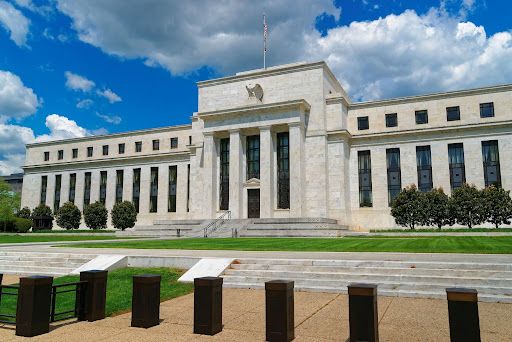
JPMorgan Chase attributed its transaction-processing issues to a software bug rather than a cyberattack. Outage reports also involved Bank of America, Wells Fargo, Truist, and other financial services, although not all institutions confirmed internal system failures.
The disruptions highlighted Americans' growing dependence on digital banking platforms and the challenges that can arise when access to financial services is temporarily interrupted.
Growing Concerns Over Critical Infrastructure
These incidents occurred alongside other reported technology disruptions involving major companies and digital service providers.
Although authorities have found no evidence connecting the events, their timing has raised questions about aging infrastructure, system reliability, and the vulnerabilities associated with increasingly interconnected technology.
While the banking outages do not indicate a broader financial crisis, they demonstrate how technical failures can temporarily interfere with access to financial services and everyday economic activity.
Why Financial Diversification Matters
Recent disruptions serve as a reminder of the importance of financial preparedness and diversification.
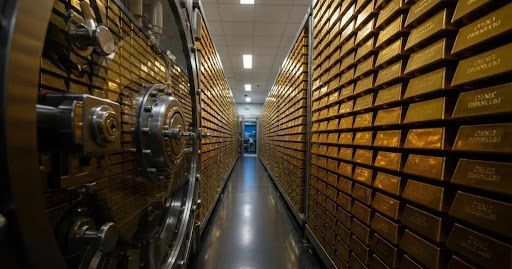
For individuals seeking to reduce concentration in traditional financial assets, physical gold and silver may offer an additional avenue for diversification. Precious metals have historically been viewed as alternative stores of value, particularly during periods of economic uncertainty.
Unlike assets held entirely through digital platforms, directly owned physical precious metals do not require online banking access to establish ownership. However, their market values fluctuate, and accessing or liquidating metals may still depend on financial institutions, custodians, or logistical services.
Although diversification cannot eliminate investment risk, spreading exposure across different asset classes may help investors manage certain risks associated with economic uncertainty.
Looking Ahead
As federal agencies and financial institutions review these disruptions, questions surrounding infrastructure modernization, financial system reliability, and operational resilience remain in focus.
For Americans navigating an increasingly digital economy, these events reinforce the importance of financial preparedness, understanding potential risks, and considering diversification as part of a long-term financial strategy.
Sources
- Reuters — U.S. Flight Shutdown Exposes Deepening Air Traffic Network Crisis
- Federal Aviation Administration — Nationwide Ground Stop: Questions and Answers
- Reuters — Major U.S. Banking Outages, November 16, 2026
- Associated Press — Banking Service Disruptions
- Reuters — Series of U.S. Technology Outages, November 17, 2026
Disclaimer: This article is provided for informational and educational purposes only and should not be considered financial, investment, or tax advice.

 Shop Gold
 Shop Silver