

Former SEC Chairman Warns AI Bubble Could Trigger Recession Before 2028

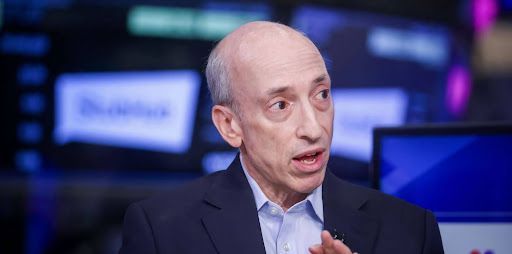
Bloomberg / Getty Images 

Gary Gensler raises concerns over soaring artificial intelligence investments, mounting debt, and the possibility of an economic downturn comparable to the dot-com crash.


Former Securities and Exchange Commission (SEC) Chairman Gary Gensler is warning that the rapid expansion of artificial intelligence may be creating a financial bubble that could burst and push the U.S. economy into recession before the 2028 presidential election.


Gensler pointed to estimates of approximately $800 billion in annual AI infrastructure spending, noting that major technology companies are investing five times more than they were just three years ago. He expressed concern that excessive borrowing, complicated financing arrangements, and uncertain returns could expose financial markets to significant risks.


Drawing comparisons to the dot-com collapse of the early 2000s, Gensler suggested that an eventual market correction could lead to substantial losses, particularly among heavily indebted AI infrastructure companies. While he expects major technology firms to withstand a downturn, smaller companies could face financial distress or bankruptcy.


However, not all market analysts share his outlook. Ed Yardeni, president of Yardeni Research, believes the AI sector may experience a gradual correction rather than a widespread collapse, arguing that recent market adjustments have helped reduce excessive valuations.


The contrasting perspectives highlight growing uncertainty surrounding the sustainability of AI-driven market growth. As investment continues to accelerate, questions about corporate debt, market valuations, and long-term profitability remain central to discussions about the broader economy and financial stability.


Disclaimer: This article is provided for informational and educational purposes only and should not be considered financial, investment, or tax advice.


Sources: Quartz, Benzinga

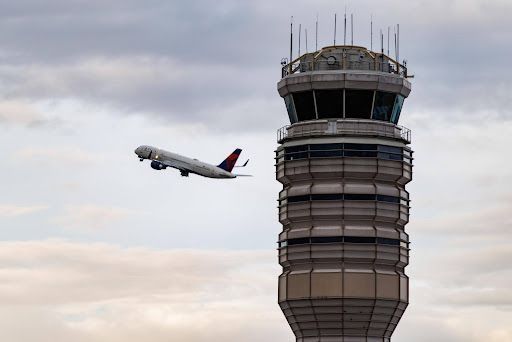
A passenger jet flies past a tall airport control tower under a cloudy sky.
November 18, 2026
Recent disruptions affecting air travel, major banks, and technology services highlight vulnerabilities in critical systems and the importance of financial preparedness and diversification.
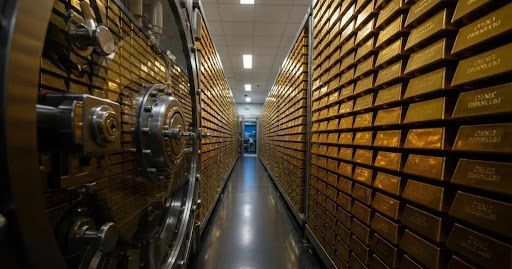
A narrow, dimly lit archive corridor lined with rows of golden storage boxes and large mechanical vault wheels.
November 18, 2026
The World Gold Council reported that central banks disclosed net purchases of 61 metric tons in September, the highest monthly reported total of 2026.
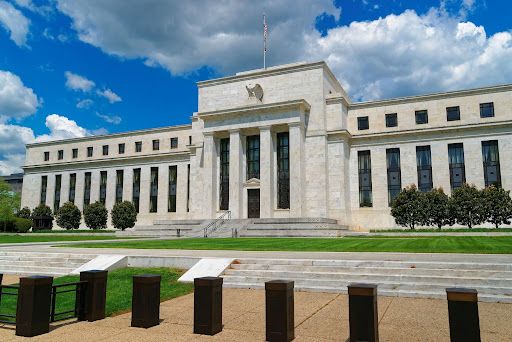
Large white neoclassical government building with columns under a blue sky
November 11, 2026
Higher-than-expected consumer prices raise concerns about purchasing power, borrowing costs, and the Federal Reserve's next policy decision.
A passenger jet flies past a tall airport control tower under a cloudy sky.
November 18, 2026
Recent disruptions affecting air travel, major banks, and technology services highlight vulnerabilities in critical systems and the importance of financial preparedness and diversification.
A narrow, dimly lit archive corridor lined with rows of golden storage boxes and large mechanical vault wheels.
November 18, 2026
The World Gold Council reported that central banks disclosed net purchases of 61 metric tons in September, the highest monthly reported total of 2026.

Large white neoclassical government building with columns under a blue sky
November 11, 2026
Higher-than-expected consumer prices raise concerns about purchasing power, borrowing costs, and the Federal Reserve's next policy decision.
A passenger jet flies past a tall airport control tower under a cloudy sky.
November 18, 2026
Recent disruptions affecting air travel, major banks, and technology services highlight vulnerabilities in critical systems and the importance of financial preparedness and diversification.
A narrow, dimly lit archive corridor lined with rows of golden storage boxes and large mechanical vault wheels.
November 18, 2026
The World Gold Council reported that central banks disclosed net purchases of 61 metric tons in September, the highest monthly reported total of 2026.