As 2026 unfolds, Bank of America’s latest outlook reinforces a message increasingly echoed across institutional markets:
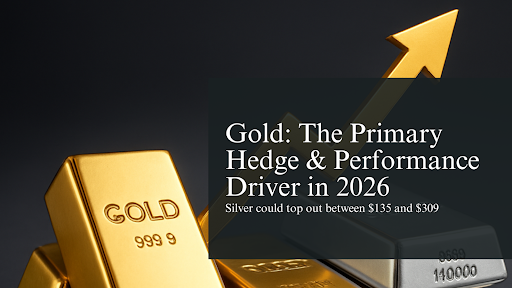
gold is expected to remain the dominant hedge and performance driver within the precious metals complex. According to BofA precious metals strategist Michael Widmer, gold’s role as a stabilizing asset is strengthening amid persistent macroeconomic uncertainty, while silver and other metals may offer selective upside for investors willing to tolerate greater volatility.
Bank of America expects
gold to average approximately $4,538 per oz. in real terms over the course of 2026, underscoring its position as the foundational precious metal in portfolios focused on preservation and risk mitigation. Ongoing geopolitical tensions, elevated sovereign debt levels, inflation concerns, and questions surrounding global monetary policy continue to support gold’s long-standing role as a store of value.
Recent market activity appears to support this view. Gold prices have continued to trend higher into early 2026 as investors seek refuge from broader market instability. Central bank demand and institutional allocation remain key drivers, reinforcing gold’s appeal as a hedge rather than a speculative trade.
Silver: Higher Risk, Potentially Higher Reward
While gold remains the primary focus, Bank of America also maintains a constructive outlook on
silver, platinum, and palladium, noting that higher prices across the precious metals space are possible this year. However, Widmer emphasized that silver’s appeal lies more in its
higher-risk, higher-upside profile compared to gold’s steadier role.
Widmer pointed to the current
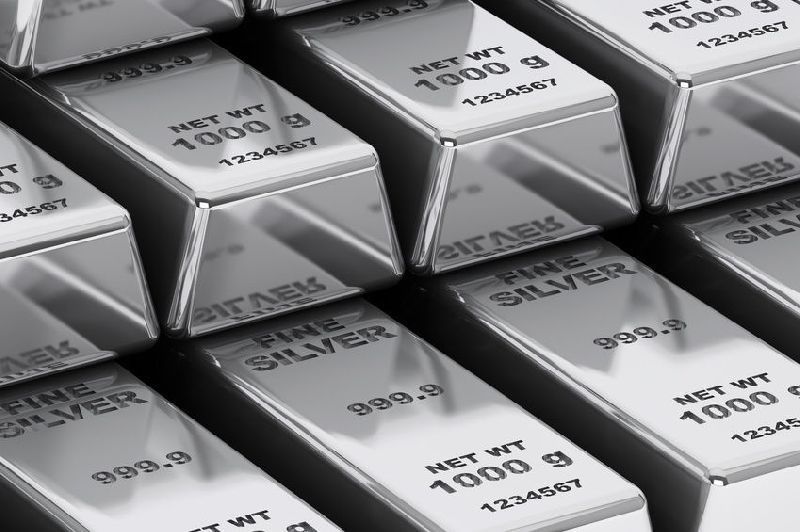
gold-to-silver ratio of approximately 59 as a metric suggesting silver could still outperform gold under certain conditions. Historically, the ratio has compressed significantly during strong silver cycles. For context, the ratio fell to roughly
32 in 2011, which would imply a silver price near
$135 per oz., while the historic low of
14 reached in 1980 would equate to a silver price around
$309 per oz.
Importantly, these figures are not presented as forecasts, but rather as
historical reference points illustrating how silver has behaved during periods of extreme market stress or speculative enthusiasm. Unlike gold, silver’s dual role as both a precious and industrial metal makes it more sensitive to economic cycles, contributing to sharper price swings in both directions.
Understanding the Distinction
The key distinction in Bank of America’s outlook is one of
function, not favoritism. Gold is positioned as the core hedge, resilient during downturns and supported by structural demand. Silver, while potentially offering greater upside, carries higher volatility and is more dependent on broader economic and industrial conditions.
For investors and observers alike, the takeaway is clear:
gold continues to serve as the anchor of the precious metals market, while silver represents a more tactical, opportunistic exposure within the broader complex.
As 2026 progresses, the divergence between gold’s role as a stabilizer and silver’s higher-beta potential may become increasingly relevant, particularly in an environment defined by uncertainty and shifting global dynamics.
Disclaimer
This article is provided for educational and informational purposes only and does not constitute financial, legal, or tax advice. Precious metals involve risk, and past performance is not indicative of future results. Red State Gold Group does not provide personalized financial advice. Readers should conduct their own research and consult with qualified professionals before making any financial decisions.
Source:
Gold will be the primary hedge and performance driver in 2026