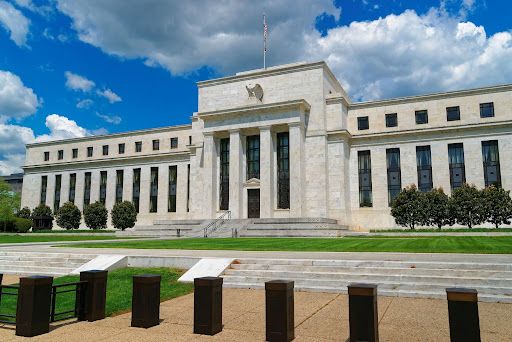


US Account Deficit Widens Sharply

The U.S. current account deficit widened sharply during the second quarter of 2026, highlighting continued imbalances between what the United States earns from abroad and what it spends internationally.


According to the U.S. Bureau of Economic Analysis, the current account deficit increased by $33.4 billion, or 15.7%, to $246.0 billion during the second quarter. The deficit represented approximately 3% of U.S. gross domestic product, up from 2.7% during the first quarter.


The current account measures the flow of goods, services, investment income and transfers between the United States and the rest of the world. A widening deficit means the country is spending more abroad than it is receiving through these international transactions.


The latest figures come amid broader concerns surrounding U.S. fiscal conditions, government borrowing and long-term economic stability. While current account deficits can fluctuate significantly from quarter to quarter, the increase adds another data point to ongoing discussions about the financial challenges facing the U.S. economy.


For Americans focused on long-term financial planning, changing economic conditions and uncertainty surrounding the nation’s fiscal outlook reinforce the importance of understanding how assets are positioned and maintaining diversification across different asset classes.


Red State Gold Group is a precious metals dealer and does not provide financial, tax, or investment advice. 


Sources:
Investing.com, Bureau of Economic Analysis, Reuters

Large white neoclassical government building with columns under a blue sky
November 11, 2026
Higher-than-expected consumer prices raise concerns about purchasing power, borrowing costs, and the Federal Reserve's next policy decision.

Intel logo with a red downward stock chart and 58.0% drop over a glass building backdrop
November 11, 2026
A dramatic decline in Intel shares raises fresh concerns about inflated technology valuations, AI-driven speculation, and the risks facing investors.

Low-angle view of a grand stone stock exchange building with American flags and a cloudy sky
November 11, 2026
A prominent Wall Street hedge fund warns that elevated stock valuations, mounting government debt, and speculative AI investments could leave financial markets vulnerable to a sharp downturn.
Large white neoclassical government building with columns under a blue sky
November 11, 2026
Higher-than-expected consumer prices raise concerns about purchasing power, borrowing costs, and the Federal Reserve's next policy decision.
Intel logo with a red downward stock chart and 58.0% drop over a glass building backdrop
November 11, 2026
A dramatic decline in Intel shares raises fresh concerns about inflated technology valuations, AI-driven speculation, and the risks facing investors.

Low-angle view of a grand stone stock exchange building with American flags and a cloudy sky
November 11, 2026
A prominent Wall Street hedge fund warns that elevated stock valuations, mounting government debt, and speculative AI investments could leave financial markets vulnerable to a sharp downturn.
Large white neoclassical government building with columns under a blue sky
November 11, 2026
Higher-than-expected consumer prices raise concerns about purchasing power, borrowing costs, and the Federal Reserve's next policy decision.
Intel logo with a red downward stock chart and 58.0% drop over a glass building backdrop
November 11, 2026
A dramatic decline in Intel shares raises fresh concerns about inflated technology valuations, AI-driven speculation, and the risks facing investors.